

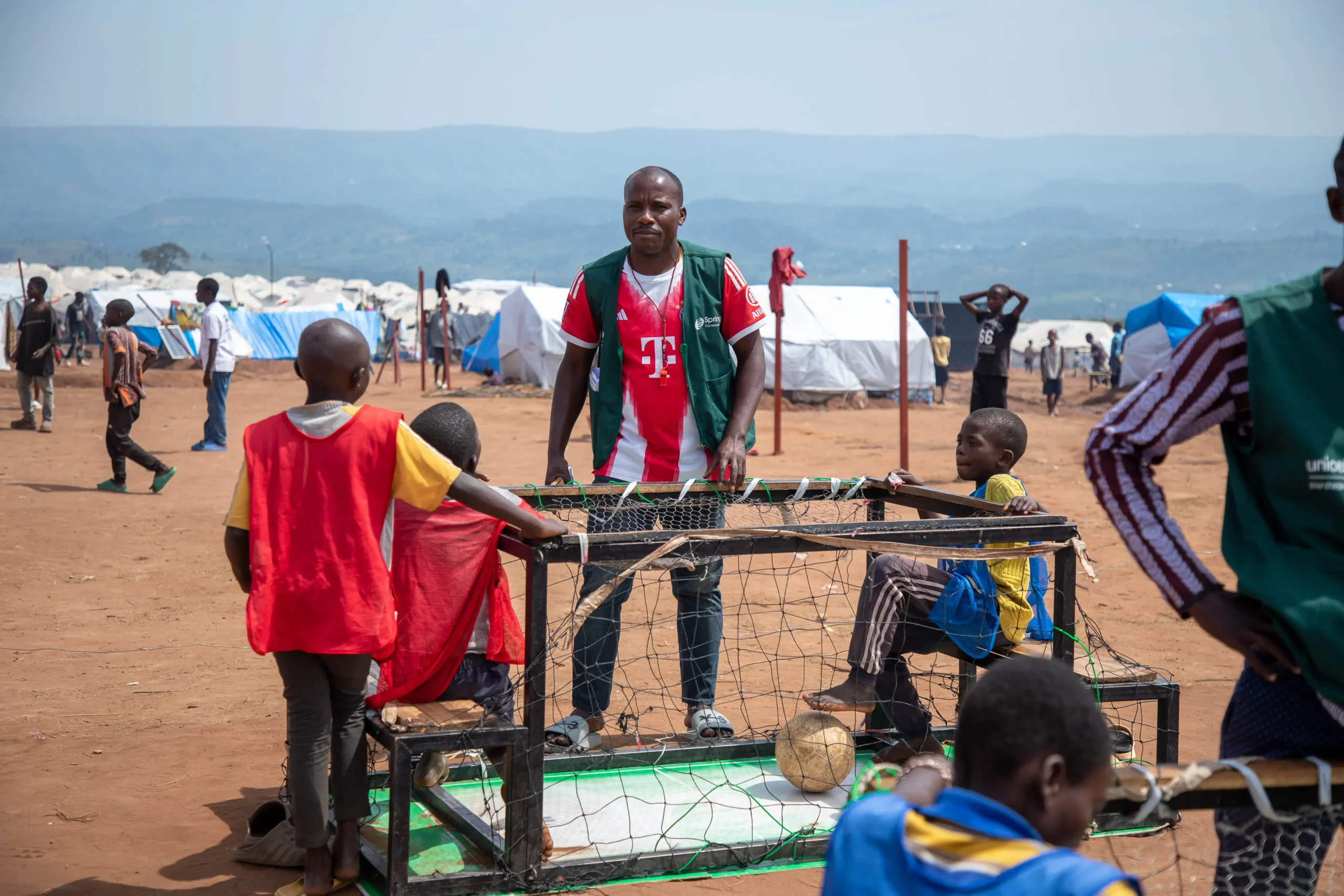
Ensuring Safety and Dignity for Vulnerable Groups
Vulnerable populations, particularly children and women, face multiple risks including violence, forced displacement, and insufficient protection mechanisms. These challenges require coordinated interventions to ensure their safety, dignity, and well-being.
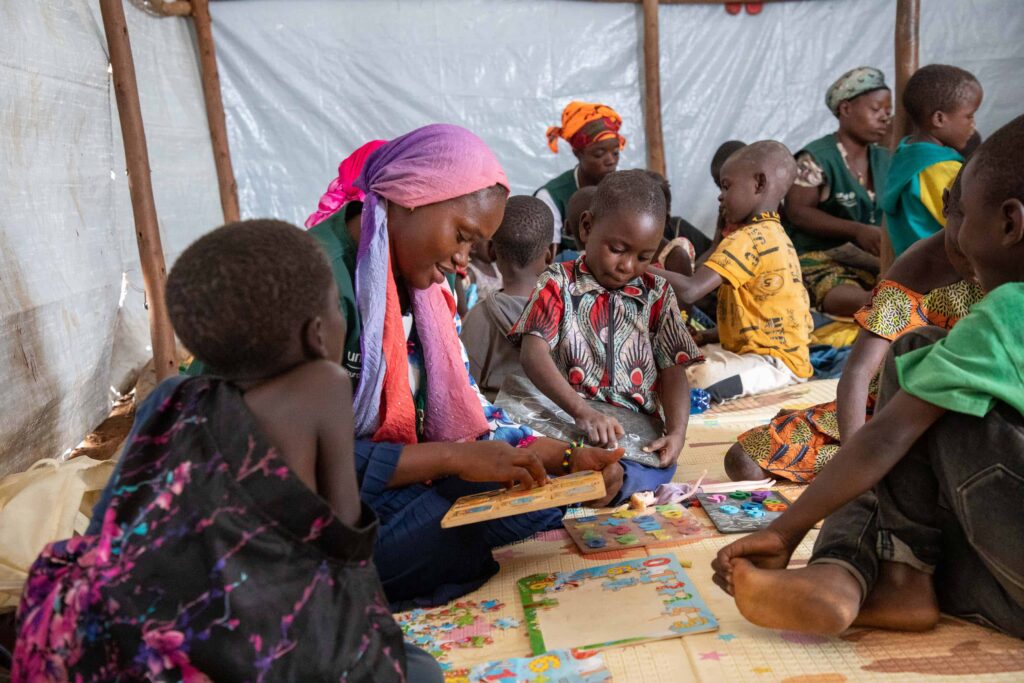
Our Targeted Groups
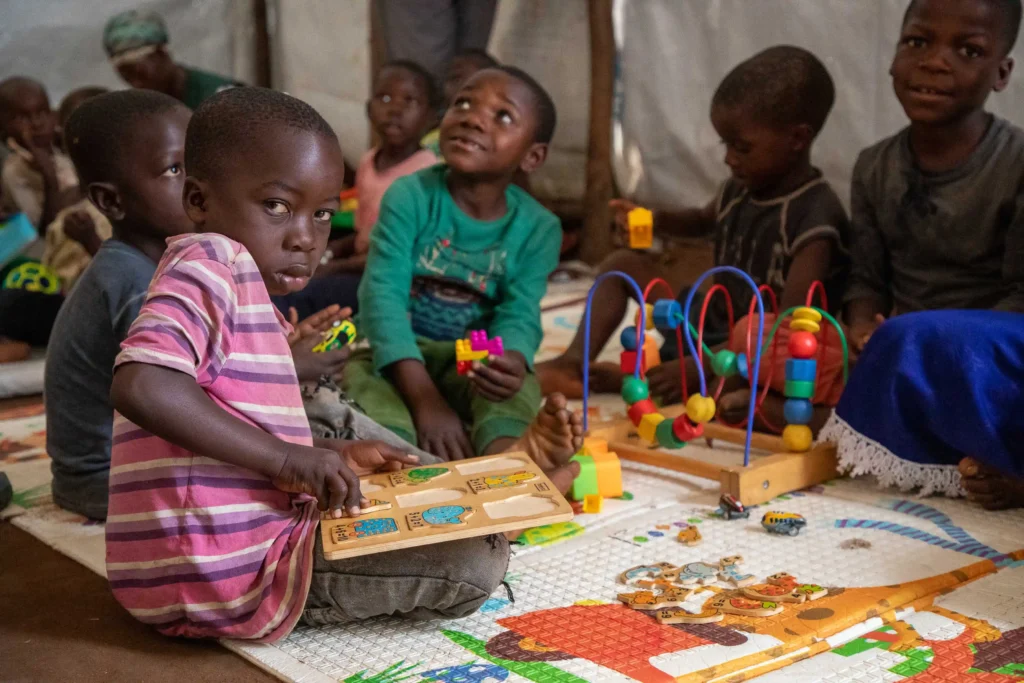
At-Risk Children
- Children affected by violence
- Unaccompanied and separated children (UASC)
- Children with disabilities (CWD)
- Street-connected children
- Child-headed households (CHH)
- Children at risk of exploitation
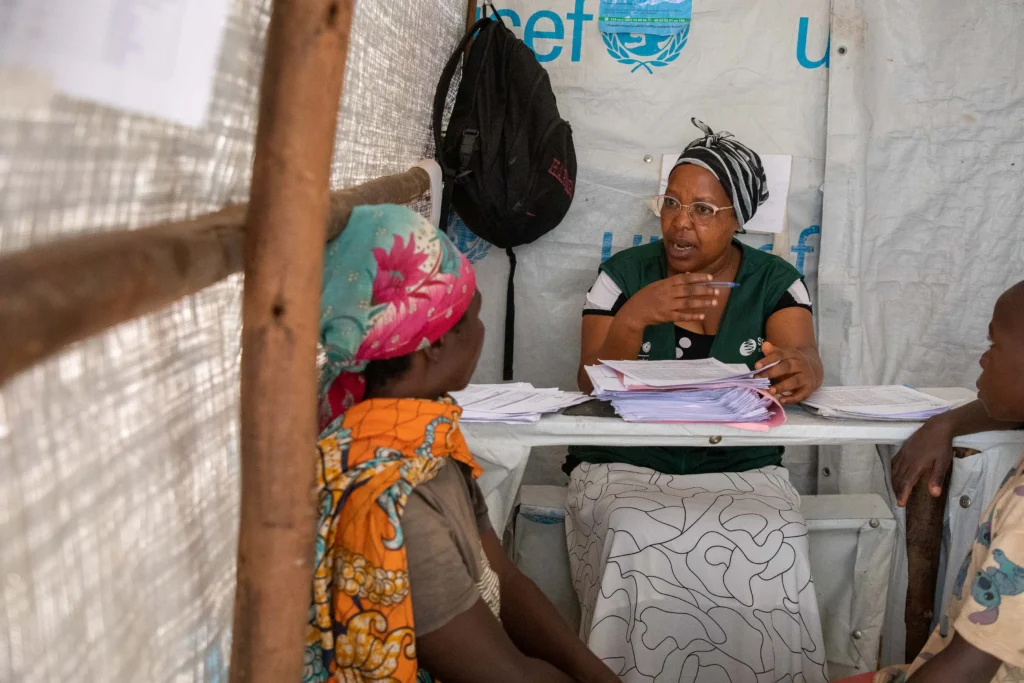
Women & Girls
- Victims or at risk of gender-based violence (GBV)
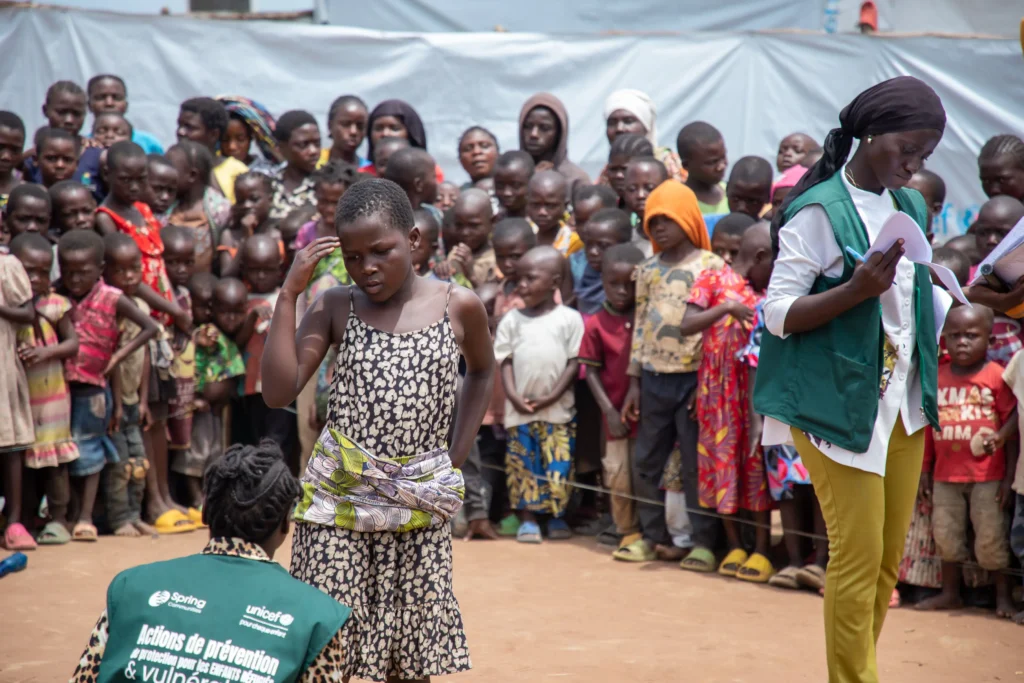
Other Groups
- Refugees, returnees, displaced populations
- Local communities and protection structures
Intervention Areas
Child Protection
Gender-Based Violence (GBV)
Case Management
Community-Based Protection
Emergency Response
Main Activities
Child Protection
- Establish child-friendly spaces (CFS)
- Prevent and respond to abuse, violence, neglect
- Identify and manage cases with referrals
- Organize resilience and psychosocial activities
- Raise awareness among parents and communities
Gender-Based Violence (GBV)
- Community awareness on GBV and reporting mechanisms
- Support survivors with referrals (health, legal, psychosocial)
- Confidential reporting and helplines
- PSEA awareness and complaint systems
- Capacity building for community leaders
Case Management
- Identification, registration, and follow-up
- Individualized support for children and women
- Coordination with specialized services
- Referral to expert partners
- Documentation aligned with protection standards
Community-Based Protection
- Strengthen community protection committees
- Awareness sessions on rights and protection
- Feedback and complaint mechanisms
- Collaboration with authorities and partners
Emergency Response
- Provide shelter, food, hygiene, water, psychosocial support
- Rapid needs assessments
- Coordinate with humanitarian actors